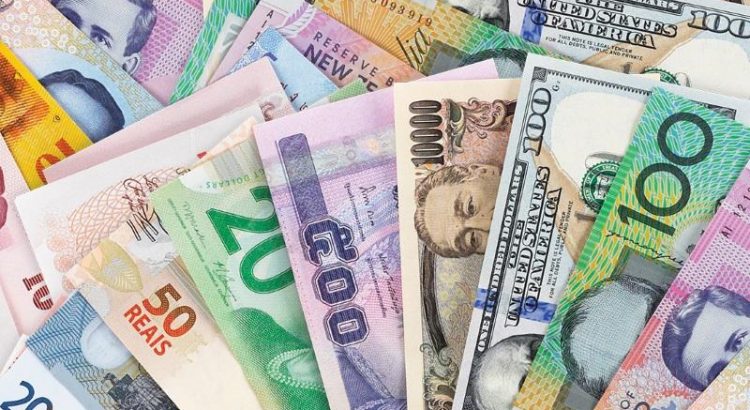
Top 10 Tips For Currency Exchange Rate Margin
In the realm of international finance, understanding exchange rate margins is crucial for anyone involved in traveling for business, conducting business, or managing investments across borders. The margin of exchange is the difference between buying and selling rates of currency. It can have a major impact on total transaction costs. The margins for exchange rates vary widely between providers and affect how much you spend on exchanges or much you can earn from investing. If you are aware of the subtleties surrounding exchange rate margins you can make educated decisions that will save money and improve your financial performance. The top 10 tips for managing margins are provided below.
1. What is the Margin of Exchange Rate?
– The spread is the gap between the asking price (the cost of an exchange rate) and the price at which it is sold (the bid price) for that currency. Knowing this is essential for business owners, travelers and investors, since it can affect the amount you receive when converting currencies. A lower margin is a better exchange rate and helps you make better financial decisions.
2. Compare Margins Across Providers
Different services for currency exchange and financial institutions offer different exchange rates. Check the margins offered by different providers before making currency exchanges. This includes banks, online platforms and kiosks for currency exchange. Websites like XE.com, OANDA and others can give you real-time insights on margins and rates. You can then choose the best option for your transaction.
3. Understand Market Influences on Margins
Margins for exchange rates are influenced by a range of variables that include fluctuations in the market as well as economic indicators and geopolitical issues. A sudden economic crisis, or political instability within the country could boost the margins due to increased risk. It is easier to make informed decisions regarding exchange rates if you are aware of market's dynamics.
4. Make use of online Currency Exchange Platforms
– Online currency exchange platforms typically offer more affordable exchange rates and lower margins than traditional banks and physical exchange services. Wise's (formerly TransferWise's) and Revolut usually offer real-time quotes with lower fees and better margins. You can reduce costs through these platforms if you have to exchange currencies for business or travel.
5. Timing Your Currency Exchange
– When you choose to exchange currency, it can influence your margins. Exchange rates change throughout the day depending on supply and demand. The monitoring of these fluctuations can assist you in determining the most appropriate time to exchange currency, which could result in more profit margins. Tools that monitor trend of currencies are helpful when making these decisions.
6. Hedging currency with leverage
For investors and businesses, employing currency hedging strategies can assist in managing exchange rate margins efficiently. Hedging involves locking in future transaction exchange rates with financial instruments, which guard against adverse changes to rates of exchange. This method can lessen the effects of margins that are expanding and improve the stability of profits, particularly for companies engaged in international commerce.
7. Keep an eye on economic indicators
Different economic indicators like the rate of inflation, interest rates, and employment are able to influence exchange rates and margins. A country that has an increase in interest rates could attract foreign investments, making their currency stronger and decreasing the margin of exchange. Inspecting these indicators will provide you with an understanding of the possibility of currency movements. You can then adjust your strategy.
8. Consider Local Currency Usage When Traveling
Make sure to make your purchases in local currency, instead of your own. You can avoid paying for dynamic currency exchange (DCC) which typically comes with unfavorable rates of exchange. Paying with local currency generally provides a more favorable exchange rate which reduces the total price of purchases made abroad.
9. Be aware of hidden costs
Be aware of any hidden charges imposed by companies that convert currencies. These can include service fees as well as transaction fees and commissions that could increase your margin of profit. Be sure to take the time to read the fine print of your contract and ask about any additional fees prior to proceeding with a currency exchange to avoid any unexpected charges.
10. Consult Financial Experts for Large Transactions
Consultations with financial or currency experts are helpful when dealing with large sums of money or intricate currency conversions. These professionals will help you comprehend the exchange rate margins and provide strategies to cut costs. These experts can be of particular benefit for businesses involved in international transactions or investors who want the best possible currency exchange rates.
Follow these tips to better navigate transactions in currencies regardless of whether you're traveling, doing business or managing your investments. Learning how to control exchange rate margins can help you make better financial choices that are in line with your objectives, ultimately saving you money while enhancing your financial strategies. Take a look at the most popular rate url for blog advice including aed to usd, japanese yen to usd, currency exchange, usd jpy, japanese yen to usd, currency exchange, us dollar to rmb, currency converter, usd to php, dollar to php peso and more.
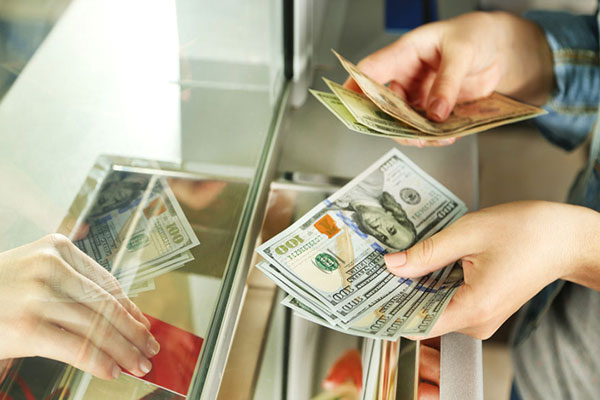
Ten Tips For Choosing The Correct Currency In Your Destination Country, Including Rates And Exchange Rate
Anyone who travels abroad is conducting international business, or manages investments in foreign markets should be aware of the currency used in destination. Destination currency refers to the currency of the country you are visiting or engaging with and can influence your financial choices. Changes in exchange rates, fluctuations in currency as well as the overall economic climate will affect your spending while you travel and how profitable or effective your business transactions and investments are. If you are able to gain a better knowledge of the currency used in your destination, you will be able to make more informed financial choices. Here are the top ten suggestions to handle your destination currency.
1. Before traveling, check the currency of your destination.
Learn about the local currency. It is also important to familiarize yourself with different currency denominations and its equivalent value to your personal currency. You can manage your budget and avoid spending too much when you have this knowledge. Websites such as XE.com let you see the current exchange rate as well as the historical information. This allows you to determine what your money worth overseas.
2. Monitor Exchange Rates Leading Up to Your Travel
Knowing these fluctuations will help you decide when to exchange money. Set alerts to notify you when exchange rates are in a favorable position with the help of currency tracking apps and tools. If you're noticing signs that the currency is declining, consider exchanging earlier to maximize the power to purchase on your travels.
3. Take into consideration the Costs of Currency Conversion
The costs paid by banks, exchange services, and at ATMs to convert currency can be very different. Take note of expenses related to converting your currency of origin to the currency you wish to use since these charges can eat into your budget. Compare rates from different companies and seek out websites that offer lower costs and better exchange rates.
4. Make use of local currency for transactions
If you are paying for purchases overseas It is always best to use the local currency instead of your home currency. If you choose to pay using your home currency, it can result in the use of a dynamic currency converter (DCC), with higher fees and less favorable exchange rates. If you pay in local currency, you will be able to get low rates and avoid additional costs. This can allow you to increase your savings even more.
5. Plan Your Cash Needs In Advance
While debit and credit cards are accepted by a large majority of people, it is still important to have some money available in case you need to purchase a few items or give a tip or go to a place that doesn't accept credit card payments. It's essential to study ATM fees and cash withdrawal limits when traveling abroad. The ability to withdraw larger amounts at once can help you minimize the cost of transactions. It is convenient to have local currency on hand can enhance your experience when traveling, and will help you avoid any inconveniences.
6. Understanding Local Payment Options
Different countries prefer different payment methods. Certain countries are heavily influenced by cash while other rely heavily on credit cards or digital payments. Research the payment practices in your region to find out the accepted methods of payment. This information can aid you in planning your payment strategies and ensure that you are equipped to complete transactions without issue.
7. Business owners face risks from currency fluctuations
If you conduct business in another country, keep in mind the dangers of fluctuations in currency. A sudden decrease in value of the currency you are using can impact profit margins or overall financial performance. It is possible to use hedging techniques like forward contracts to protect against currency fluctuations and secure the rates of future transactions.
8. Be aware of your spending
To keep within your travel budget, it is essential to track your expenditures in the currency you'll be using. You can track your expenditures in local currency by using programs that aid in budgeting or by keeping detailed records of your purchases. This will allow you to keep from overspending and will ensure you are able to fund the length of your travels.
9. Financial Regulations: Educate yourself
Different countries have different laws and regulations pertaining to foreign exchange transactions, cash and other reporting requirements. Learn about these regulations to avoid legal problems when you travel or conduct business. There are a few countries have restrictions on how much cash you can take in and out of the country, or even require you to declare large purchases. Understanding these rules can make it easier to navigate around them.
10. Consult currency experts for Investments
Consider consulting currency experts and financial advisors that specialize in international investment if you are tracking the foreign markets for investments. You can gain valuable insight on the impact currency fluctuations can affect your investments and they will also help you in devising strategies to reduce currency risk. They can assist you in navigating the complexities of the destinations currencies in order to maximize your financial results.
Learn these specific tips to manage destination currency and you'll be able to navigate through the complex world of business, travel and investment monitoring more effectively. Understanding the ramifications of currency management will allow you to take financial choices which are in line with your goals and will enhance your overall financial strategy. Have a look at the top eur huf for website advice including euro usd, baht to us dollar, usd to peso, dollar to mexican peso, doller to rupee, dollor to inr, us dollar to colombian peso, currency exchange near me, rmb to usd, 1 usd in rupees and more.